Compare Local Contractors for Shrub Pruning Services
Compare local contractors for shrub pruning to define scope, verify experience, and set clear expectations for a successful property enhancement.
Shrub pruning is a key aspect of maintaining the health and appearance of landscape plants. This work typically involves trimming back overgrown branches, shaping shrubs to enhance curb appeal, removing dead or diseased wood, and encouraging healthy growth. Proper pruning can improve airflow and sunlight penetration, which supports the overall vitality of the plants. When engaging with contractors for shrub pruning, it’s important to clearly define the scope of work-whether it includes shaping, thinning, deadheading, or specific plant care-to ensure the project aligns with property goals.
Defining the scope of shrub pruning work matters because it helps set clear expectations and ensures that both property owners and service providers are on the same page. A detailed scope can specify which shrubs are to be pruned, the desired shape or size, and any particular concerns such as removing diseased branches or preserving certain growth patterns. Having this information in writing helps prevent misunderstandings and provides a reference point for the work to be performed. It also allows property owners to verify that the contractor’s experience and services match the specific needs of their landscape.
When comparing local contractors for shrub pruning, property owners should consider factors such as experience with similar landscape types, the range of services offered, and how thoroughly they communicate scope and process. It’s helpful to review any provided descriptions of services, ask about their approach to pruning, and confirm that they understand the property’s specific requirements. Asking for references or examples of past work can also provide insight into the contractor’s expertise. By assessing these aspects and ensuring all details are documented, property owners can make informed choices and select service providers equipped to meet their shrub maintenance needs effectively.
Compare local contractors by outlining your pruning priorities, verifying experience, and clarifying scope in writing.
- Compare Contractor Experience - Review the backgrounds of local contractors to ensure they have relevant shrub pruning expertise.
- Define Scope Clearly - Specify the pruning needs and expectations in writing to prevent misunderstandings.
- Verify Service Offerings - Confirm that contractors provide the shrub pruning services required for the project.
- Set Expectations in Writing - Document the agreed scope and details to establish clear communication and accountability.
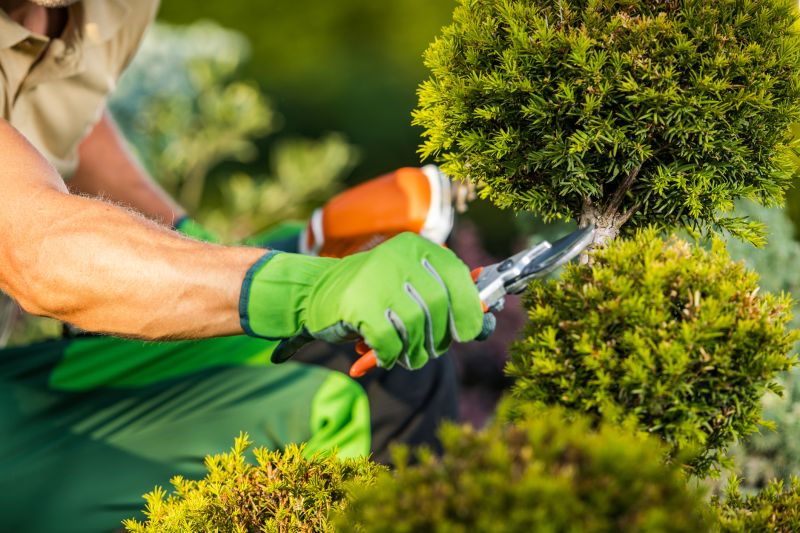
Clearly describe your shrub pruning project first, then compare local contractors’ experience and set expectations in writing.
- Verify the experience of service providers in shrub pruning to ensure they understand proper techniques and plant health considerations. - Look for contractors who clearly define the scope of work and pruning methods in written agreements.
- Compare multiple local contractors to assess their qualifications and approach to shrub pruning projects. - Ensure that service providers have relevant expertise and a track record of quality work.
- Check for references or reviews that demonstrate consistent performance and customer satisfaction with shrub pruning services. - Use this information to gauge reliability and professionalism before making a decision.
- Discuss and document specific pruning goals, including shaping, size reduction, or health maintenance, to align expectations. - Clear communication helps prevent misunderstandings and ensures the scope is well-defined.
- Confirm that service providers follow industry best practices for shrub pruning to promote plant health and growth. - Proper techniques help maintain the longevity and appearance of shrubs.
- Ensure that the scope of work, including pruning extent and methods, is agreed upon in writing before work begins. - Written agreements help protect both parties and set clear expectations.
Compare local contractors' experience and clarify scope to ensure successful shrub pruning projects.




Learn how to compare local contractors, define the scope, verify experience, and set clear expectations in writing.
- Define pruning objectives - specify the desired shape, size, and health outcomes for the shrubs.
- Identify shrub types and conditions - determine the species, age, and current health status of the plants.
- Outline scope of work - clarify which shrubs are to be pruned, including any specific techniques or areas to focus on.
- Verify experience and expertise - ensure service providers have relevant knowledge of shrub pruning methods and plant care.
- Establish written expectations - document the scope, techniques, and desired results to compare and select suitable local contractors.
When evaluating contractors for shrub pruning, it is important to consider their experience with similar projects. Homeowners should inquire about the types of shrubs and landscaping environments that service providers have worked on before. A contractor with a proven track record handling a variety of shrub types and sizes can demonstrate familiarity with different pruning techniques and plant care requirements. This background helps ensure that the contractor understands the specific needs of the plants in question and can deliver results that promote healthy growth and aesthetic appeal.
Having a clear, written scope of work is essential when comparing contractors for shrub pruning. A detailed description of the pruning tasks, including which shrubs will be trimmed, the techniques to be used, and any additional services, helps set expectations upfront. This documentation provides a point of reference for both the homeowner and the service provider, reducing misunderstandings and ensuring that everyone is aligned on the project’s objectives. Clear scope documentation also facilitates effective communication and can serve as a foundation for addressing any questions or concerns that may arise during the work.
Verification basics are crucial when selecting a shrub pruning service provider. Homeowners should verify that the contractors have a history of completing similar projects successfully. This can involve reviewing references or asking for examples of past work. Confirming that the service providers have appropriate insurance coverage and understand local regulations or guidelines related to plant care can also be part of the verification process. These steps help establish confidence that the contractor is capable of performing quality work and can be trusted to handle the project responsibly.
When comparing options, it is helpful to evaluate the experience, scope clarity, and verification details provided by each service provider. Homeowners should ask questions about previous projects, request written descriptions of the work scope, and seek proof of credentials or references. By focusing on these areas, it becomes easier to identify service providers who are well-qualified and transparent about their capabilities. This approach ensures that the chosen contractor is equipped to meet the specific needs of the shrub pruning project and can deliver results aligned with the homeowner’s expectations.
Ask contractors to provide written scope details to ensure clear expectations and consistent shrub pruning services.
- Scope of Work - What specific shrub pruning tasks do the contractors plan to include in their services?
- Experience & Expertise - How do the contractors demonstrate their experience with shrub pruning projects similar to yours?
- Comparison of Services - How do the contractors' pruning methods and approaches differ to help evaluate their suitability?
- Written Expectations - Are the scope, methods, and responsibilities clearly outlined in a written agreement?
- Qualifications & References - Can the contractors provide references or examples of past shrub pruning work to verify their capabilities?
What should I consider when comparing shrub pruning contractors? It's important to review their experience, verify their scope of work, and ensure clear communication about project expectations to find the right service provider.
How can I define the scope of shrub pruning work? Clearly specify which shrubs need pruning, the desired shape or height, and any special instructions to help contractors understand your needs.
Why is it helpful to verify a contractor’s experience? Experience can indicate familiarity with different shrub types and pruning techniques, helping ensure the work is performed properly and efficiently.
What should be included in a written agreement with a shrub pruning contractor? The scope of work, expectations, any specific instructions, and agreed-upon terms should be documented to prevent misunderstandings.
How can I ensure a contractor understands my pruning preferences? Discuss your goals and provide detailed instructions during the initial consultation, and request the scope and expectations be confirmed in writing.
What is the benefit of comparing multiple local contractors? Comparing providers allows for better understanding of their experience, scope, and approach, helping to select the most suitable service for your shrub pruning needs.
This page has provided an overview of what to consider when selecting contractors for shrub pruning, including how to define the scope of work, verify experience, and set clear expectations in writing. Visitors now have a better understanding of the key steps involved in comparing local service providers to find the right fit for their needs. To explore options and make informed decisions, using the quote form to compare local contractors is a helpful next step.
By utilizing the quote form, visitors can easily connect with local contractors who specialize in shrub pruning and gather information to compare available options. This process supports making well-informed choices based on the scope of work and experience that best align with individual preferences. Taking the time to compare and define project details can help ensure expectations are clear before proceeding.